As Expected

This is a piece I’ve been wanting to write. The idea has been simmering in the back of my mind for a while.

As Expected is a short film piece about a Ryan and Brianne, who begin experiencing intimacy issues. When Brianne tries to initiate sex, Ryan often finds excuses to not. The lack of sex, as well as a lack of communication between the two of them, bubbles over.

I wanted to explore ideas of sexual desire and asexuality, especially being asexual myself. My first instinct was to make the leading character a woman, but I decided to make Ryan a man instead. I did this because I wanted to also to bend the expectations that the man in the relationship always wants sex and the woman doesn’t. Instead, I flipped those roles and allowed Ryan to go through a story where he’s wondering why he doesn’t ever want to have sex with his girlfriend.

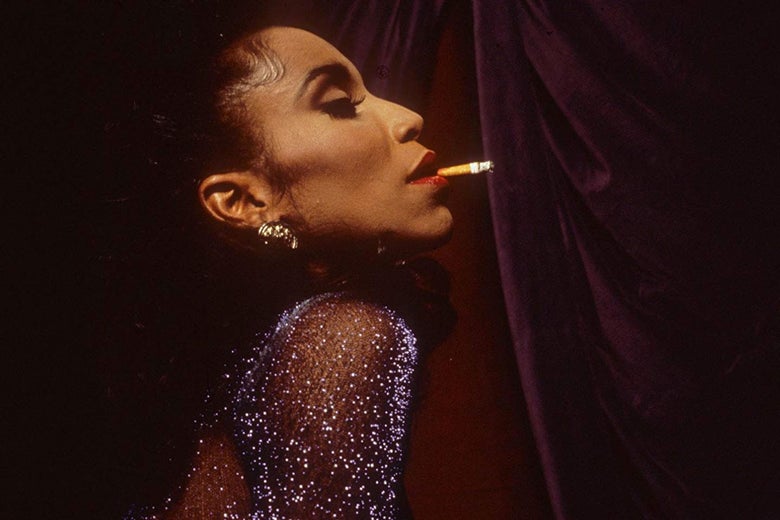
Paris is Burning: A Conversation

Before watching the film recently, I’d heard a lot about Paris is Burning. It has been heralded, in my experience, as a film that you need to watch if you are a part of or studying the LGBTQ+ community. It was ground-breaking, it is part of the reason drag grew to what it is today, and it’s a part of our history. It wasn’t until I watched the movie and dived into the discourse that I began to understand just how controversial this movie was.

Continue reading “Paris is Burning: A Conversation”

Camera and Minorities

The Body Remembers when the World Broke Open premiered in 2019 at the Berlin Film Festival as well as the Toronto International Film Festival. It follows the day Áila (Elle Máijá Tailfeathers) meets Rosie (Violet Nelson). Rosie has just left her boyfriend’s house after encountering domestic abuse when Áila finds her. Áila takes Rosie under her wing and attempts to get her the help she and her unborn baby need. In an interview with Vogue, Tailfeathers admits that the movie is based on an encounter she personally had and Nelson claims to have drawn from her mother (who suffered domestic abuse) for the role (Sullivan).

Continue reading “Camera and Minorities”

Rocky Horror: Progressive or Destructive?

The Rocky Horror Picture Show has been a cult classic since it’s release, inspiring fans to embrace it in midnight showings where they will dress up and interact with the movie. Even today, 45 years after it’s release, many theaters have weekly or monthly showings of the movie often in combination with a shadow cast. With the movie it’s a common practice to have actors dress up and mime along with the movie playing behind them while the audience interacts with callbacks, props, or by dressing up themselves. In many ways it’s still seen as a subversive movie, talking head on about things like gender and sexuality. Despite it’s name, it’s not considered a horror movie often anymore but rather falls more into the categories of comedy musicals and science fiction.

Continue reading “Rocky Horror: Progressive or Destructive?”

Halloween: Fear and Arousal in One

Kristen Lené Hole and Dijana Jelača, in their book Film Feminisms: A Global Introduction, reference Linda Williams in explaining that in narrative film there are “three body genres that seeks to provoke an excessive physical reaction in the viewer: melodrama (crying), horror (fear), and porn (arousal)” (Hole & Jelača 268). In an interesting choice, John Carpenter’s 1978 Halloween combines two of those body genres in creating a horror movie that elicits both fear and arousal, primarily through the means of it’s female protagonists.

Continue reading “Halloween: Fear and Arousal in One”